







Search Results for: center pour
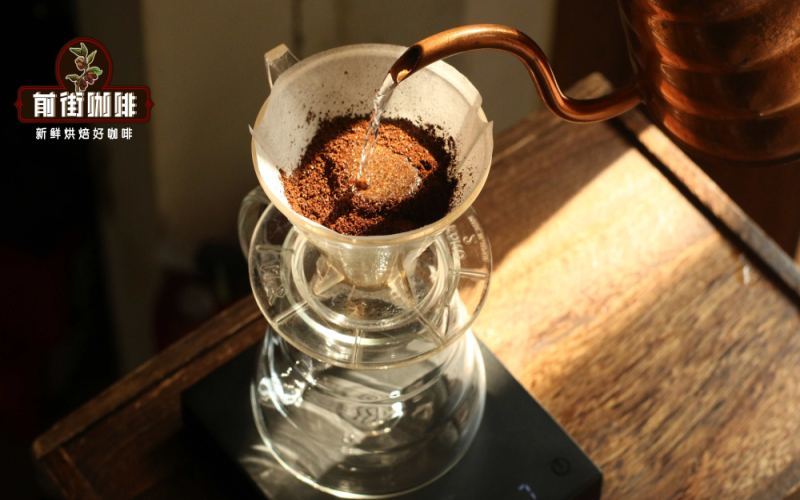
Center Pour vs. Spiral Pour in Pour-Over: Analysis of Extraction Efficiency, Flavor Differences, and a Combined Three-Pour Approach
The pouring method in pour-over coffee has a significant impact on the extraction result. Through comparative experiments, Front Street Coffee found that under low-flow conditions, center-pour single-pour extraction actually achieved a higher extraction yield than spiral pouring, due to two factors: heat retention and the contact area of the coffee bed; however, in terms of flavor performance, center pouring showed a concentrated, imbalanced character with bitterness. When switching to a three-stage pour, spiral pouring then surpassed center pouring. Based on these findings, a three-pour approach combining spiral and center pouring became a practical choice that balances even extraction with flavor cleanliness. This article presents the complete experimental data and principle analysis to help coffee enthusiasts understand the suitable scenarios for different pouring strategies. [more…]
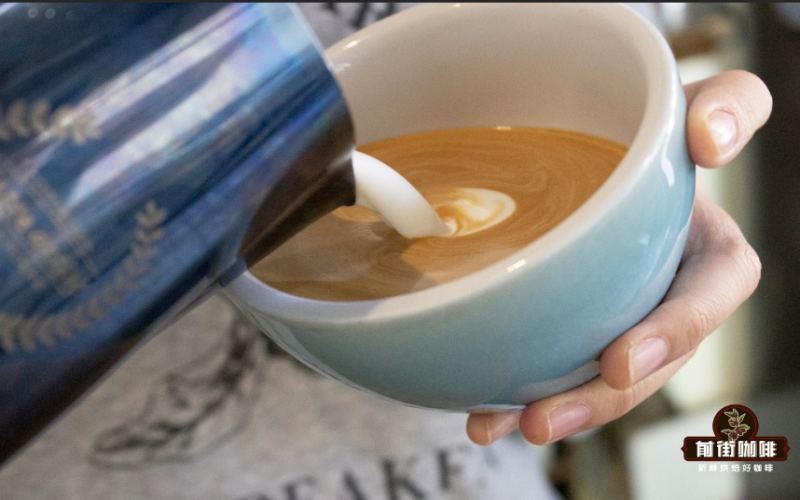
Latte Art Composition Techniques: Three Major Causes and Solutions for Off-Center Patterns
In coffee latte art, the beauty of a pattern depends not only on smooth lines but also on whether the composition is reasonable. Centered composition is the most common approach, as it highlights the sense of stability of symmetrical patterns. However, many beginners find that their latte art patterns always deviate from the center. Front Street Coffee points out that this is mainly caused by three reasons: milk foam that is too thin leading to excessive fluidity, pouring back into the cup too quickly increasing the impact force, and an incorrect drop point. This article will analyze the causes of and solutions to these problems one by one, while also emphasizing the importance of choosing suitable coffee beans, and recommending two products, Front Street Classic Blend and Commercial Blend, to help you create centered and beautiful latte art at home. [more…]
The Beginner's Must-Learn One-Pour Center-Pour Method: Yirgacheffe Red Honey Process V60 Brewing Parameters and Flavor Analysis
Pour-over coffee may seem complicated, but there is actually a low-effort yet stable extraction method—the single-pour center pour. It doesn't require segmented circling; simply keep pouring continuously after the bloom, making it especially suitable for those new to pour-over. This article uses the Yirgacheffe Red Honey Red Cherry recommended by Front Street Coffee as an example, first introducing the classification of honey processing and the proportion of pectin retained, then using the Hario V60 dripper to conduct a comparative brewing of two different grind sizes: a coarse grind BG-7K paired with a longer pouring time, and a fine grind BG-6M paired with a shorter pouring time, to experience the flavor differences under the same coffee-to-water ratio and water temperature. The article also explains in detail how the V60's rib structure affects flow rate, and why pouring stability is far more important than fancy techniques. [more…]
Coffee latte art patterns always off-center? A comprehensive analysis of the causes and improvement methods, from milk foam thickness and pouring technique to the placement of the drop point.
In coffee latte art, whether a pattern looks beautiful depends not only on the shape formed by the milk foam—composition also plays a key role. Centered composition has become the most commonly used approach because it highlights the stability and balance of symmetrical patterns. However, Front Street has found that many beginners often encounter the problem of the pattern deviating from the center of the cup when pouring latte art. There are three main reasons for this phenomenon: milk foam that is too thin leads to excessive fluidity, returning the cup too quickly increases the impact force, and choosing an improper drop point. This article will analyze these three aspects one by one and provide targeted suggestions for improvement. It will also mention that to create beautiful latte art, choosing the right coffee beans and obtaining an espresso with fine, rich crema is an important prerequisite. Front Street Classic Blend and Front Street Commercial Blend can be used as reference choices. [more…]
Why does latte art always lean to one side? Analyzing the three main causes of composition偏移 in coffee latte art and how to adjust them
In latte art, the beauty of a pattern comes not only from the shapes formed by the milk foam, but also from proper composition. Centered composition is the most commonly used because it highlights a sense of symmetry and balance, yet many beginners often find that their patterns drift off-center. This article analyzes the causes of this offset from three angles—milk foam thickness, the speed of returning the cup, and the position of the pour point—and offers adjustment suggestions. Meanwhile, Front Street Classic Blend and Commercial Blend, two coffee beans, are considered ideal choices for making latte art espresso due to their rich crema. Mastering these details helps improve the stability and visual presentation of latte art. [more…]
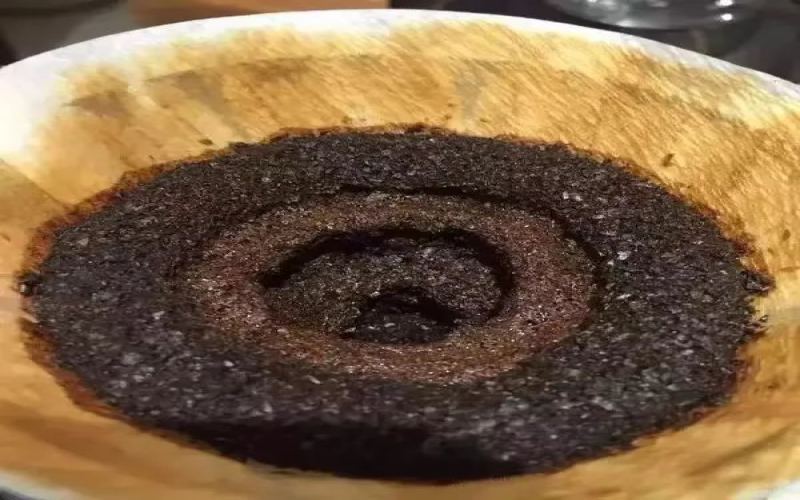
Meteor Pour-Over Method Explained: Hand-Brew Techniques and Parameters for Dark-Roasted, Intense, Bitter Coffee Beans
Deep-roasted coffee beans, due to their fluffy texture and strong water absorption, release a large amount of gas when they come into contact with water in their fresh state, which provides the conditions for a unique brewing method—meteor pour. This article provides a detailed introduction to the principles and operational steps of this pour-over technique, including key parameters such as grind size, water temperature, and coffee-to-water ratio, as well as the pouring details of the three stages: blooming, point pouring, and outward spiral. Front Street Coffee has pointed out that in a conical dripper, the coffee bed is thicker in the center, and pouring water in the center can extract a richer coffee liquid, so this method is especially suitable for medium-dark roasted beans and can highlight a rich, full-bodied taste. If you want to try a different pour-over experience, you might as well give it a try by following the steps. [more…]

Pour-Over Coffee for Beginners: The Art of Water Pouring — Tips for Even Circular Pouring from the Center and Bean Recommendations for Practice
Those just beginning to explore pour-over coffee are often baffled, amidst a plethora of brewing books and techniques, about which step is truly crucial. In reality, the core lies in three aspects: understanding the current state of the coffee beans, having clear criteria for flavor evaluation, and maintaining a stable and consistent brewing method to fully extract the bean's intrinsic flavors. This time, Front Street Coffee focuses on the seemingly simple yet highly nuanced pouring stage, dissecting from blooming to circling, from water stream control to the characteristics of the dripper, step by step, the details that beginners are most likely to stumble upon, and recommends several everyday practice beans that balance flavor and cost-effectiveness, helping you take your first step in pour-over coffee in a more solid way. [more…]
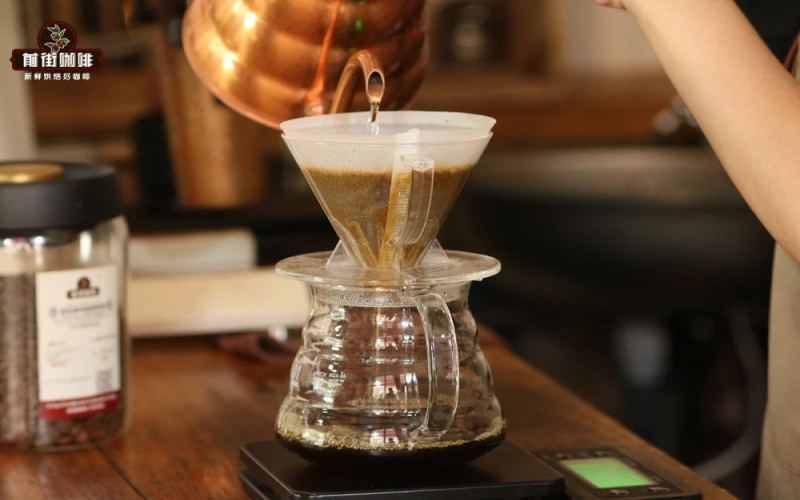
A Detailed Guide to Pour-Over Coffee Pouring Methods: The Differences Between Circular and Center-Point Pouring and Practical Key Points
Pour-over coffee pouring techniques have always been one of the topics newbies care about most. Many friends who have just discovered Front Street Coffee often ask: why doesn't the coffee I brew taste good enough? In fact, understanding and applying the right brewing parameters is more important than obsessing over pouring techniques. This article compares two methods—circular pouring and single-point pouring—analyzes how the coffee bed changes, why turbulence occurs, and how stirring intensity affects extraction, while also answering common questions about pouring height and the direction of circular pouring. This set of pouring key points that Front Street Coffee has put together for beginners starts with slow, steady, and straight, helping you avoid channeling and brew an even, delicious pour-over coffee. [more…]
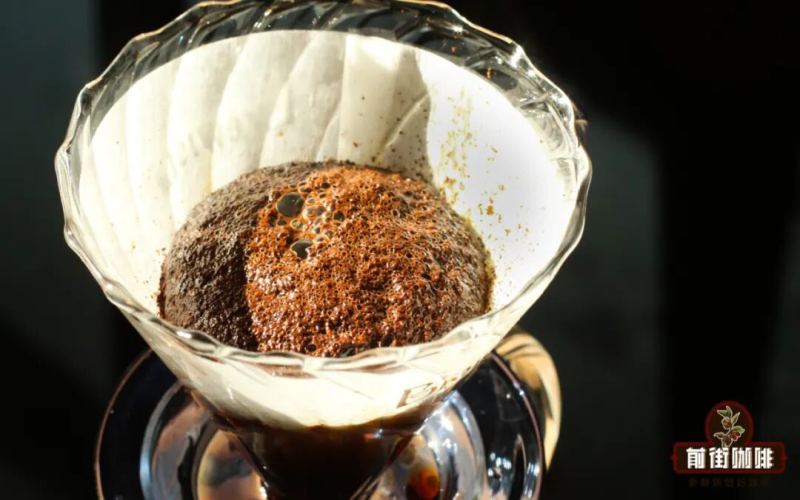
Coffee Blooming | How to achieve the "perfect bloom" when making pour-over coffee? How do you adjust the bloom time for pour-over coffee?
As the saying goes: "Bloom well, and brewing is trouble-free." For pour-over coffee, blooming is a very important preparatory step. So-called blooming is the step where, before we formally extract the flavor compounds from the coffee, we use a small amount of hot water to pre-wet the coffee grounds and wait for a certain period of time. [more…]

A ride-hailing driver turned the center console into a pour-over bar, so you can get a fresh cup of coffee while waiting at a red light.
Everyone has seen mobile coffee carts, but have you ever seen a coffee bar installed inside a driver's cab, mounted above the center console? A Didi driver had a flash of inspiration and set up a complete pour-over coffee kit in his car, so he could brew himself a cup of hot coffee while stuck in traffic or waiting at a red light, and netizens jokingly dubbed him a "time management master." Some people envy him and want to copy the setup, while others worry that the equipment might tip over during sudden braking, or whether operating it while driving affects road safety. Is this cup of pour-over coffee brewed on the move a charming touch of life or a safety hazard? Front Street Coffee has also taken note of this topic and will walk you through the feasible boundaries of in-car coffee. [more…]

Coffee from No. 600 Wanping South Road Goes Mainstream: Shanghai Mental Health Center's Collaborative Special Drink Sold Out Upon Launch
Shanghai Mental Health Center has once again drawn attention by using coffee as a medium. This time, its co-branded coffee "Music + Spirit," launched in collaboration with the Shanghai Symphony Orchestra, quickly sold out after release. Not only did long lines form at the offline store, but online channels also announced they were out of stock, leaving consumers waiting for pre-sales. This special coffee blend incorporates chocolate powder and American cayenne pepper powder and is available only at the COFFEE CUBE coffee shop inside the symphony orchestra. The simultaneously launched archive-file handbag contains ten drip coffee bags from different regions, each with a QR code that allows listeners to hear ten symphonic works and audio interpretations by mental health experts on urban emotional issues such as workplace PUA and insomnia. This is another successful creative attempt by the center to break out of its niche after "No. 600 Mooncakes," reflecting the market trend in which coffee has become a daily necessity for urban young people. [more…]
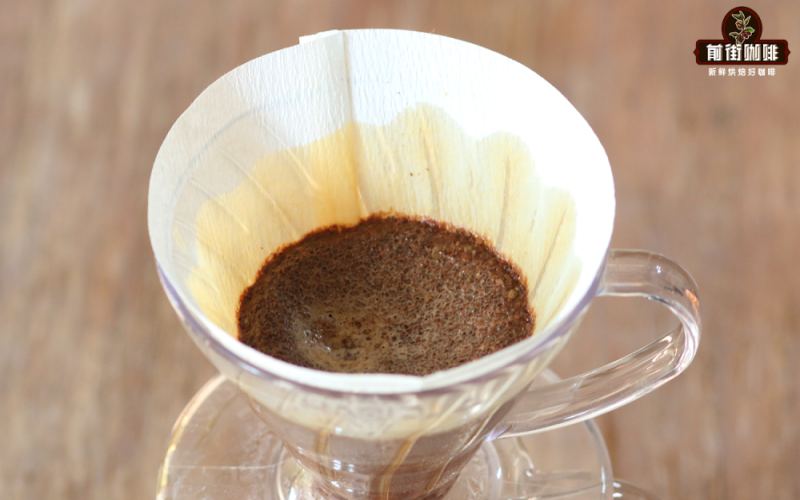
The Cause of the Central Collapse in the Coffee Bed After the Bloom in Pour-Over Brewing: The Combined Effect of Water Volume, Technique, and Grind Size
The blooming phase of pour-over coffee is often seen as the first dialogue with the coffee grounds, and an ideal expansion state often indicates a smooth subsequent extraction. However, sometimes the coffee bed clearly puffs up, only to have a pit form in the middle moments later—is this actually normal? This article analyzes this phenomenon, first explaining the physical mechanism behind expansion followed by collapse, and then investigating the causes one by one from three angles: water volume, pouring technique, and grind size. Front Street Coffee uses 15 grams of light-roast beans for simulation comparisons, showing the actual changes in the coffee bed under different parameters, to help you quickly identify problems in daily brewing, adjust your technique and parameters, and get the blooming state back on track. [more…]
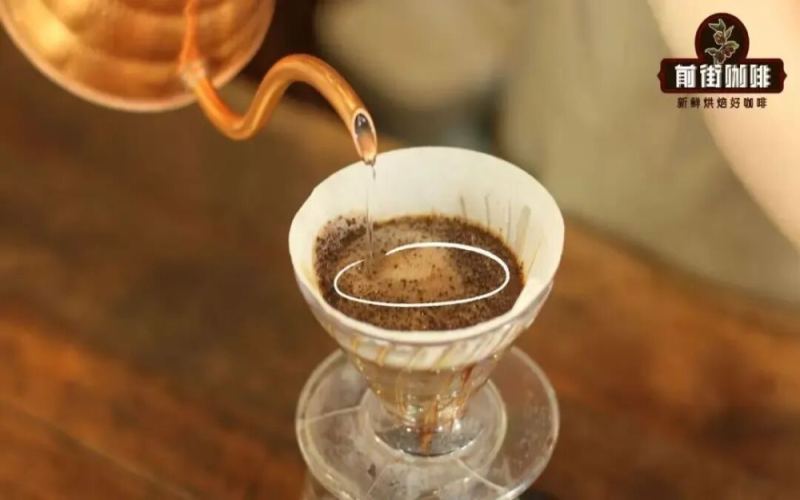
Should You Pour in Circles from the Inside Out or the Outside In for Pour-Over Coffee? A Practical Analysis of Flavor and Strength Differences
When pour-over brewing, should the circular pouring direction be from the inside out or from the outside in? This seemingly trivial question is actually directly related to the disturbance of the coffee bed, the evenness of extraction, and the final flavor performance in the cup. Front Street Coffee once encountered a customer raising this question, and for this reason specially conducted a set of comparative experiments: under the premise that all other parameters were completely identical, only the circular pouring direction was changed, using Front Street Kafa Forest coffee beans for separate brews, and with the help of a refractometer and tasting comparison, observed the differences brought by the two techniques. This article will fully present the experimental process and results, analyze which circular pouring path under a conical dripper can better bring a rich and full-bodied mouthfeel, and provide practical suggestions for daily brewing. [more…]
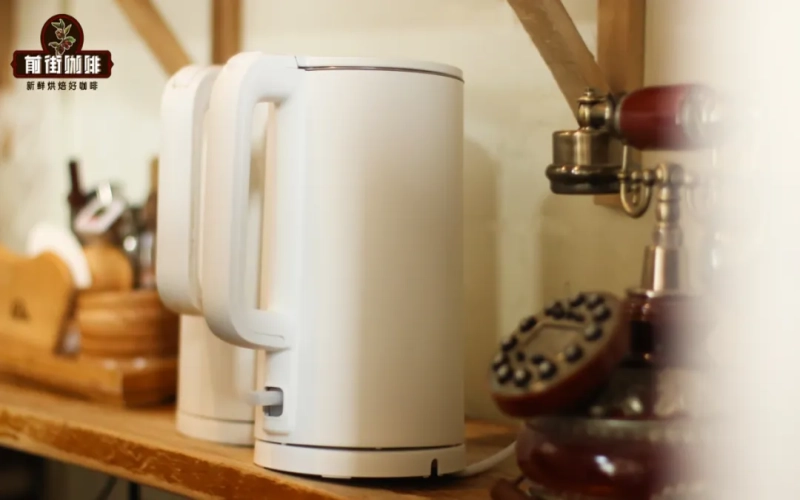
Why do pour-over kettles feature a long, slender spout design? Can an ordinary electric kettle handle coffee brewing?
Friends who have just gotten a new electric kettle often ask: can this kettle be used directly to brew pour-over coffee? The answer is yes, but brewing a delicious cup with it is not so simple. The long, slender neck, narrow spout, and low center of gravity of a professional pour-over kettle are all designed for stable pouring; an ordinary electric kettle is built around boiling water, lacks a flow-guiding structure, and is naturally harder to control. Through hands-on testing, Front Street Coffee shares two workable methods for brewing good coffee with an ordinary electric kettle, and provides complete extraction parameters and brewing steps, verifying that an electric kettle can also brew coffee with excellent flavor. [more…]
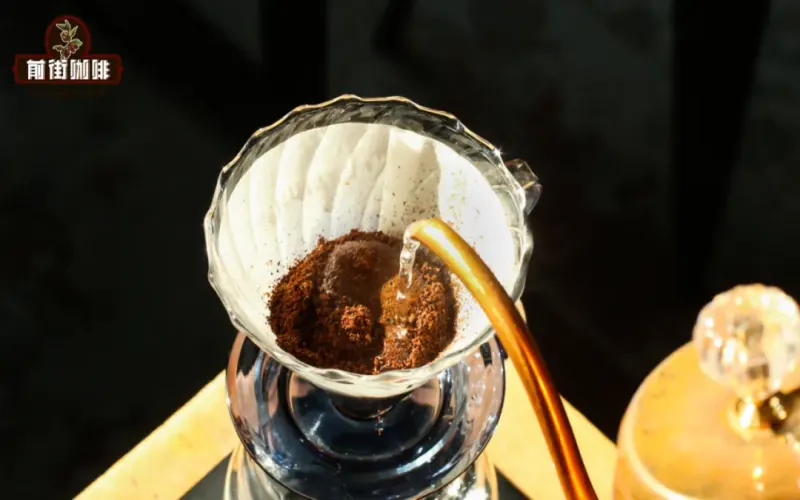
How long should the blooming time be for pour-over coffee? A detailed explanation of pouring techniques and the effect of blooming water volume on extraction
Blooming is an indispensable pre-wetting step before extraction in pour-over coffee, and it directly affects the efficiency with which flavor compounds are released afterward. However, the amount of water used for blooming, the pouring method, and the waiting time all influence the taste in the final cup. Starting from the structural characteristics of the cone-shaped dripper, this article introduces two pouring techniques that allow hot water to evenly saturate the coffee grounds, and teaches you how to flexibly adjust the blooming duration by observing the state of the coffee bed. Whether you are a beginner just getting into pour-over or an enthusiast looking to refine your technique, you will find practical tips here. The article also combines Front Street Coffee's brewing experience and product examples to help you more intuitively understand the criteria for judging a perfect bloom. [more…]
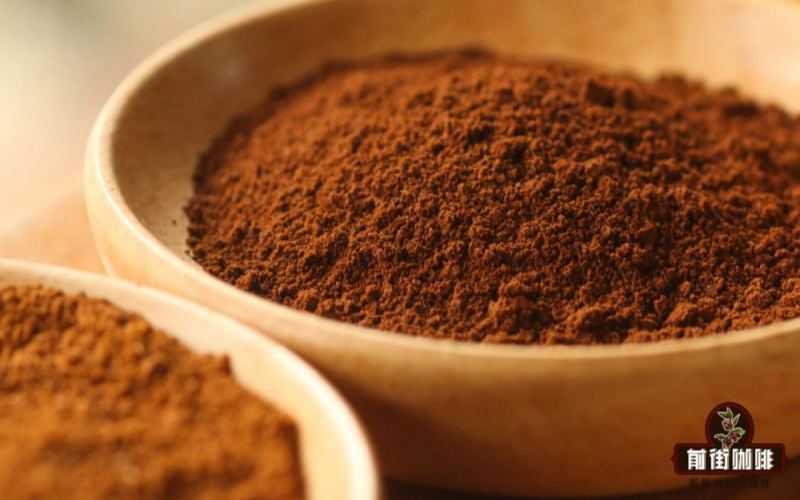
Brewing with Coffee Grounds | Can you use espresso grounds for pour-over coffee? What are the key points to note when making pour-over black coffee with fine coffee grounds?
Recently, a customer asked Front Street what to do when the coffee beans they bought were ground too fine, suitable for making espresso. I believe many friends have encountered this situation: the ground coffee they bought turned out to be too fine. If brewed with the usual pour-over parameters, it would definitely over-extract. Does that mean it has to be thrown away and can't be used? Today, Front Street will share with everyone [more…]
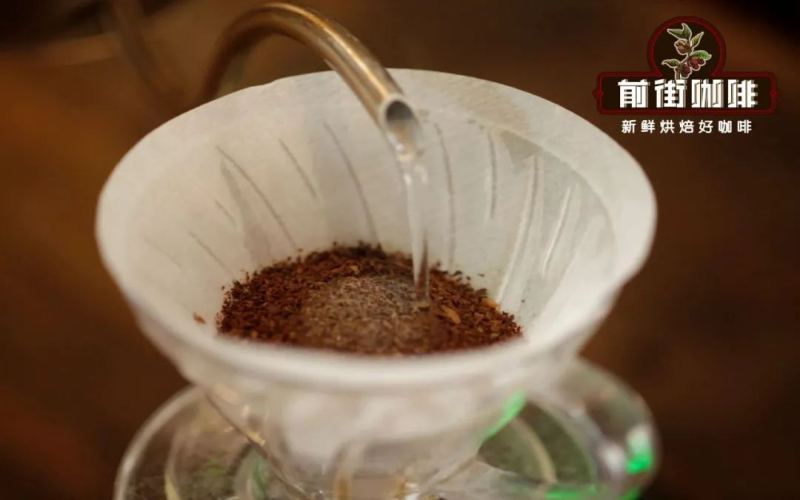
Blooming Method | What Is the Purpose and Significance of Blooming in Pour-Over Coffee? How Much Water for Blooming? Calculating Blooming Time for Coffee Extraction
In freshly roasted and freshly brewed coffee, there is a crucial small detail: baristas emphasize the need to "bloom." There is even a saying in the coffee community: "Bloom well, and brewing will be trouble-free," forming a positive link between blooming and brewing. So what is blooming, and how do you bloom? Careful [more…]

Front Street Coffee Natural Yirgacheffe Aricha Brewing Guide: A Detailed Explanation of Grind Size and Water Temperature Parameters
Yirgacheffe is one of Ethiopia's most recognizable coffee regions, and its naturally processed Aricha coffee beans are famous for notes of dried strawberry, passion fruit, and fruit liqueur. This article systematically lays out the complete information on Front Street naturally processed Yirgacheffe Aricha, from the region's background and variety characteristics to the specific brewing steps. For enthusiasts just getting into pour-over, the article provides clear grinding settings, water temperature recommendations, and pouring rhythm to help you recreate a cup of naturally processed Yirgacheffe that is bright, sweet-and-tart, and richly layered at home. Whether you want to learn the story of the Aricha origin or need a practical brewing plan, you can find the answers in the following content. [more…]

Pour-Over Coffee Blooming and Extraction Stages: A Comprehensive Analysis of Whether the Outer Coffee Grounds Need to Be Wetted with Water
In the practice of pour-over coffee, one detail that is often discussed is: should the coffee grounds around the edge be moistened with water? This article starts from the two stages of blooming and the main extraction, and, combined with comparative experiments on light, medium, and dark roast levels, analyzes the impact of the pouring range on flavor. The experiment shows that whether to wet the outer layer of grounds during blooming depends on whether all the coffee grounds can evenly absorb water and release gas in the shortest time. Not pouring around the outer ring tends to cause inconsistent extraction rates, and light and medium roast beans are prone to a grassy, unripe taste; while pouring directly onto the outer ring may block gas release in the center. The article also shares practical techniques such as swirling and stirring to help coffee enthusiasts extract every particle of coffee grounds more evenly. [more…]
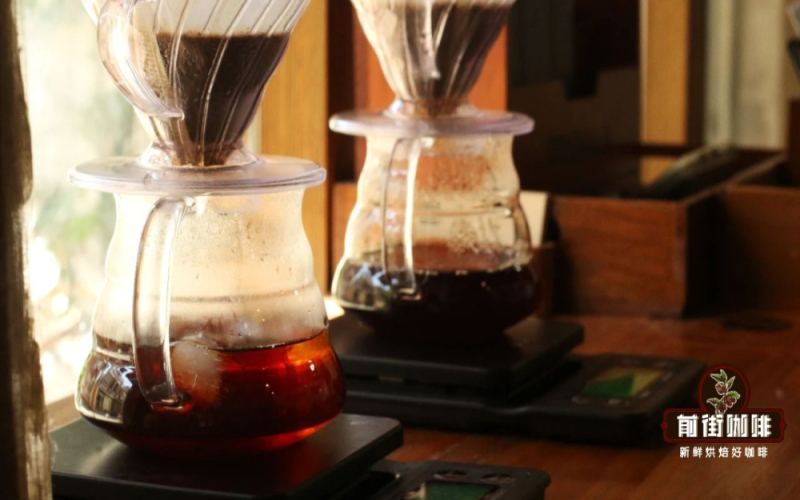
The Complete Guide to Buying a Pour-Over Kettle: Temperature Control, Spout, Body, Material, and Price Explained in One Go
Faced with the dazzling array of pour-over kettles on e-commerce platforms, many coffee enthusiasts often don't know where to start. Although pour-over kettles are basically composed of a spout, body, handle, and lid, different shapes directly affect pouring performance. Front Street Coffee will systematically sort out the selection approach for pour-over kettles from dimensions such as temperature-controlled vs. non-temperature-controlled, spout type, body capacity and center of gravity, handle feel, material, and price. The article will also introduce the pouring characteristics and representative products of different spouts such as narrow gooseneck, wide gooseneck, crane-neck, flat spout, and eagle spout, helping you find the one that better suits you between budget and needs. [more…]